
Stay Updated with Our Latest News and Developments
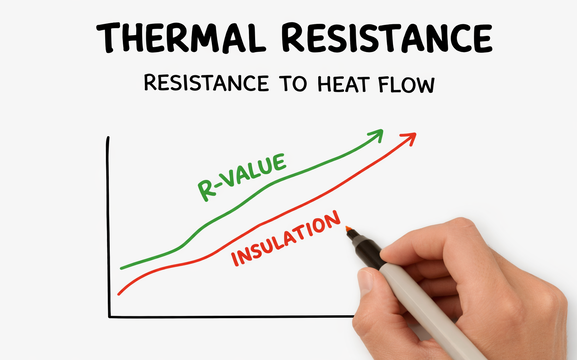
In modern construction and industrial applications, energy efficiency is no longer optional—it is essential. Choosing the right insulation material plays a critical role in reducing energy consumption, improving indoor comfort, and meeting international building standards.
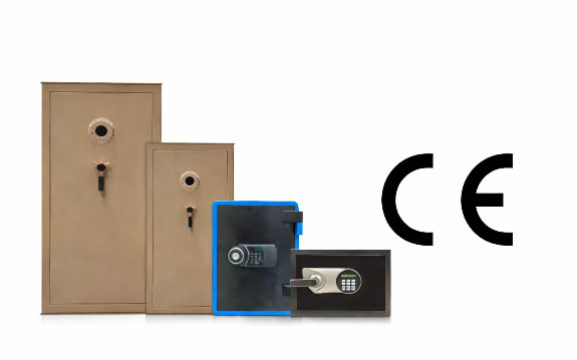
As energy efficiency and fire safety standards become increasingly strict across Europe, choosing the right insulation material is more important than ever. Glass wool with CE certification has become a preferred solution for builders, contractors, and distributors due to its proven performance and compliance with EU regulations.
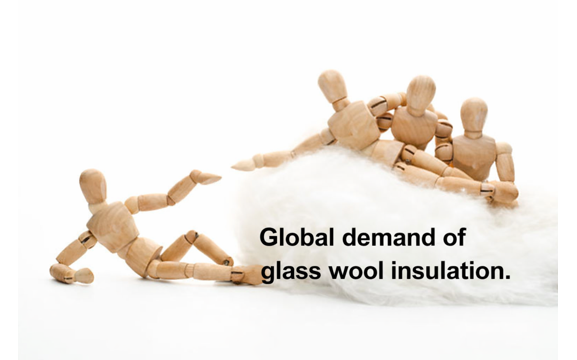
As we navigate through 2026, the global glass wool insulation market is witnessing a transformative era. Valued at approximately USD 5.0 billion in 2025, the market is projected to expand at a steady CAGR of 5.8%, reaching nearly USD 7.0 billion by 2032.
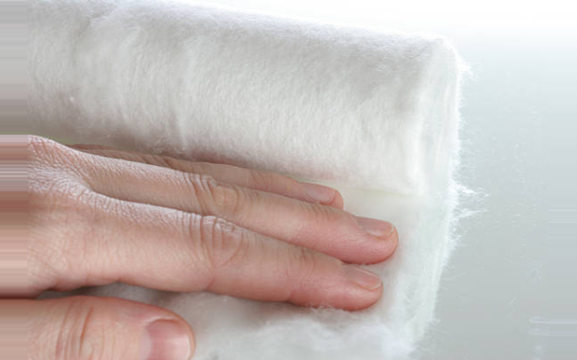
As global construction standards shift towards net-zero emissions, the demand for high-performance building materials is skyrocketing. Among these, glass wool insulation remains a cornerstone of energy efficiency.
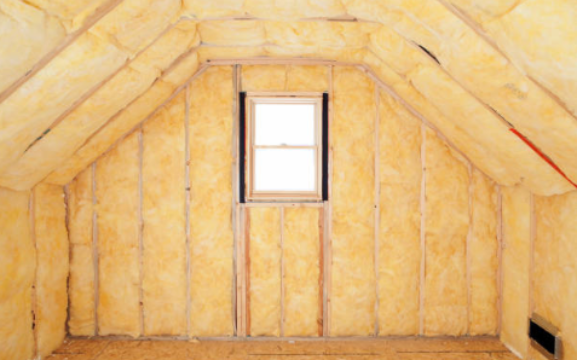
Still Struggling With High Costs and Poor Insulation Performance? Many contractors and distributors face the same challenges:
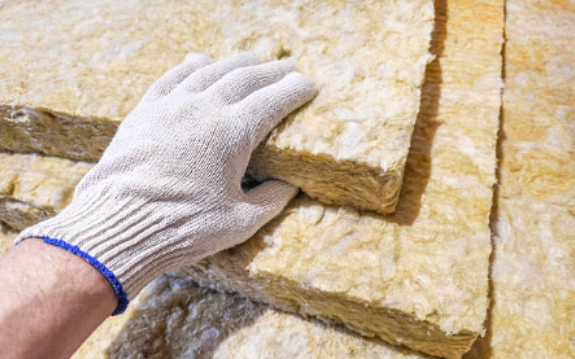
In today’s construction and industrial sectors, insulation plays a critical role in energy efficiency, fire safety, and acoustic performance. Among various materials, glass wool insulation is widely used due to its excellent thermal properties and cost-effectiveness.
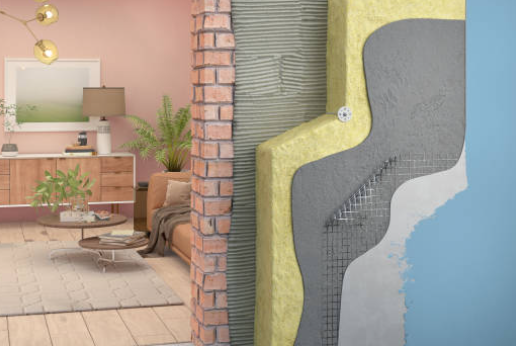
Industrial facilities rely heavily on insulation systems to maintain operational efficiency, control temperatures, and reduce energy consumption. From pipelines and storage tanks to HVAC systems and processing equipment, insulation materials play a critical role in protecting both equipment and working environments.

Glass wool insulation is one of the most widely used thermal insulation materials in the global construction industry. Known for its excellent thermal performance, lightweight structure, and cost efficiency, glass wool has been widely applied in residential buildings, commercial facilities, HVAC systems, and industrial installations for decades.
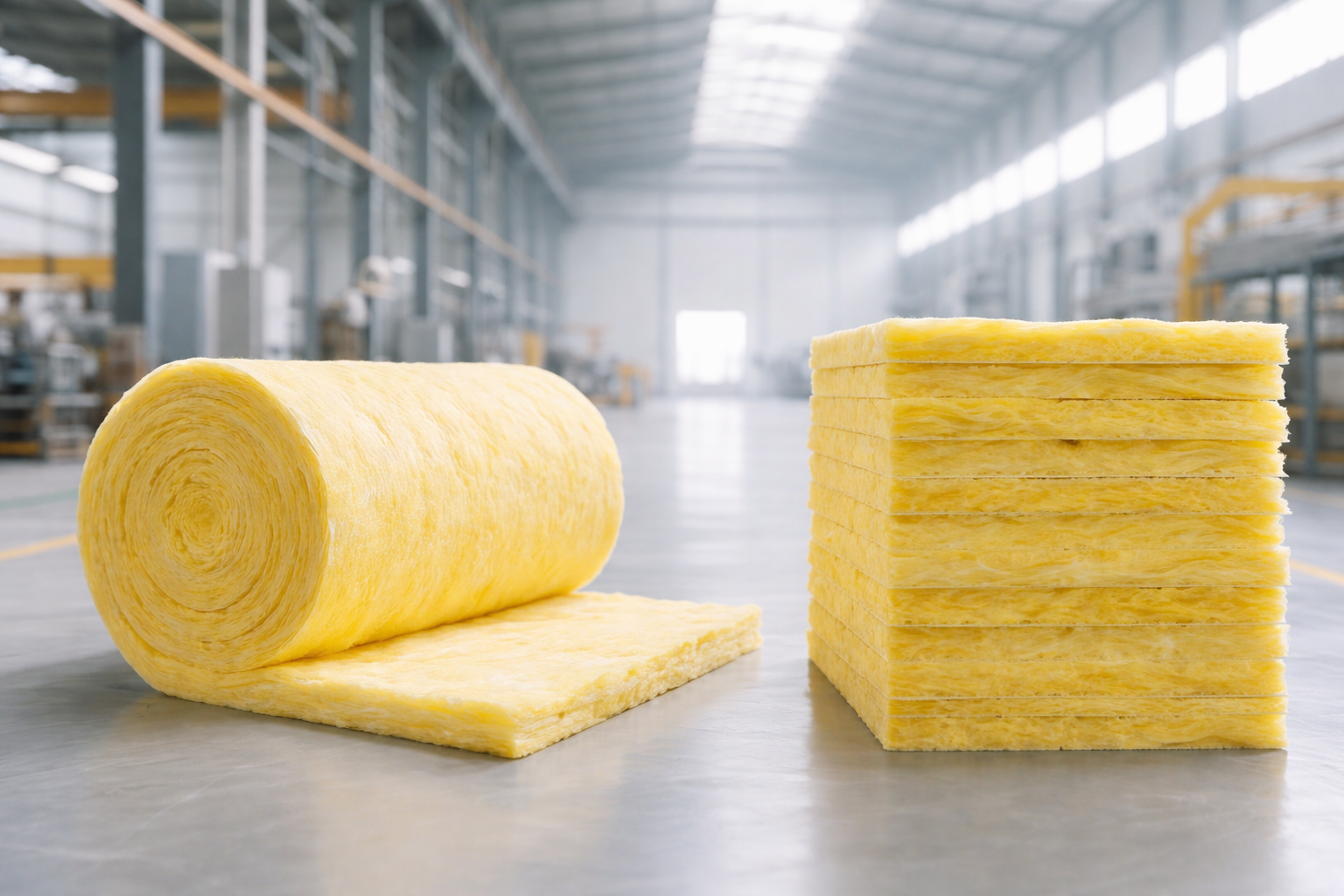
Glass wool insulation, also known as fiberglass insulation, is a widely used thermal and acoustic insulation material for construction and industrial applications. It is valued for its energy efficiency, sound absorption performance, lightweight structure, and long-term cost effectiveness across global markets.

As a leading Chinese manufacturer of high-performance glass wool insulation, we specialize in supplying premium thermal and acoustic solutions tailored for the Oceania region. Our products are engineered to exceed the rigorous building standards of Australia and New Zealand,
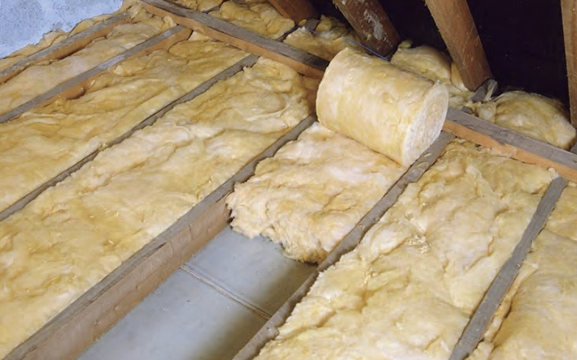
Insulation plays a critical role in modern building design by improving energy efficiency, fire safety, and acoustic comfort. Among the most commonly used insulation materials are glass wool and rock wool.
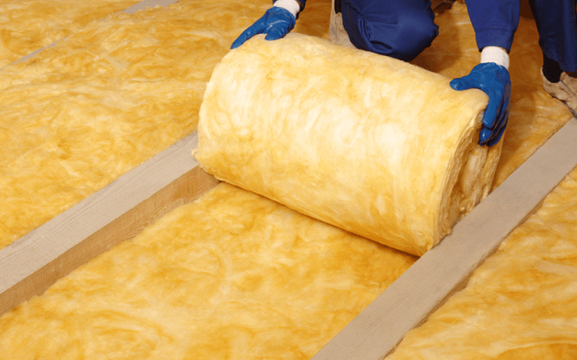
Glass wool insulation is widely used in residential, commercial, and industrial buildings due to its excellent thermal and acoustic performance. One of the most common questions from customers and installers is: Is glass wool safe to touch?

 Phone :+86 13478683282
 Email : sales@kalaxgw.com
 Tian'an International Tower, Zhongshan Road 88, Zhongshan District, Dalian City, Liaoning
Province, China
Tian'an International Tower, Zhongshan Road 88, Zhongshan District, Dalian City, Liaoning
Province, China