
When builders and homeowners search for healthier, high-performance insulation, brown glass wool batt products consistently top the list. Unlike traditional yellow fiberglass, brown glass wool uses a plant-based binder that eliminates formaldehyde and acrylic emissions entirely — making it a preferred solution in markets with strict indoor air quality regulations, particularly Australia and the United States.
In this guide, we break down what brown glass wool batts are, how they differ from standard yellow fiberglass, how to identify genuine eco-friendly products (and avoid dyed imitations), and why demand is surging across Australian and US construction markets.
What Is a Brown Glass Wool Batt?
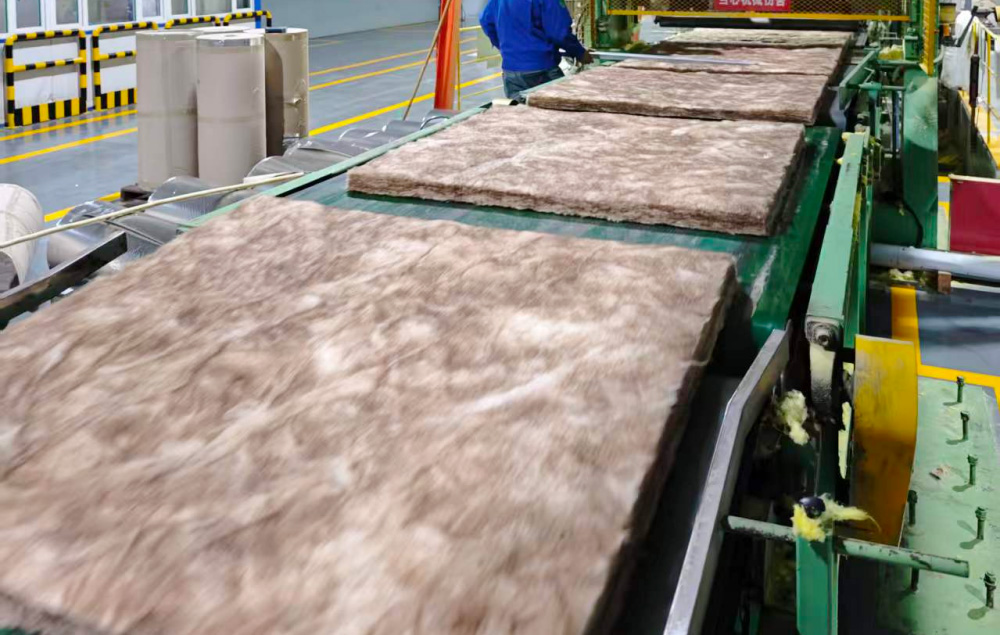
A brown glass wool batt is a pre-cut, flexible insulation panel made from fine glass fibers bonded with a 100% formaldehyde-free, bio-based starch binder. The natural brown color comes from the plant-derived binder itself — no artificial dyes or pigments are added.
KALAX Eco-Friendly Brown Glass Wool Batt is engineered for superior thermal efficiency and healthier indoor air quality. By replacing traditional phenolic or acrylic resins with a plant-based binding system, it eliminates harmful chemical emissions — both during installation and over the entire lifecycle of the building.
Key attributes of genuine brown glass wool batts include:
- 100% formaldehyde-free and acrylic-free formulation
- Bio-based binder derived from renewable plant materials
- Ultra-low dust generation during handling and installation
- Soft to the touch, reducing skin irritation for installers
- Non-combustible (fire rating A1) with zero flame spread
- Excellent thermal performance with thermal conductivity as low as 0.030 W/(m·K)
Brown vs. Yellow Glass Wool Batt: What's the Difference?
While both yellow and brown glass wool deliver reliable thermal and acoustic insulation, the critical differences lie in the binder chemistry, indoor air quality impact, and installer comfort. The table below provides a side-by-side technical comparison.
| Technical Indicator | Unit | Requirement | Yellow Glass Wool | Brown Glass Wool | Standard |
|---|---|---|---|---|---|
| Binder Type | — | — | Phenolic or acrylic resin | Plant-based / bio-based starch binder | — |
| Density | kg/m³ | ≥ nominal value | 10–40 (as required) | 10–40 (as required) | GB/T 13350-2017 |
| Thickness | mm | −3% / +5% | 45–330 (as required) | 45–330 (as required) | EN 13162:2012 |
| Reaction to Fire | — | Classification | A1 | A1 | EN 13501-1:2018 |
| Gross Calorific Value (PCS) | MJ/kg | PCS ≤ 2.0 | ≤ 0.673 ± 0.096 | ≤ 0.673 ± 0.096 | EN ISO 1716:2019 |
| Non-combustibility Test | — | ΔT ≤ 30°C, Δm ≤ 50%, tf = 0s | ΔT = 1.0°C, Δm ≤ 3.5%, tf = 0s | ΔT = 1.0°C, Δm ≤ 3.5%, tf = 0s | EN ISO 1182:2010 |
| Thermal Conductivity | W/(m·K) | — | 0.032–0.050 | 0.030–0.034 | EN 12667 / EN 13162 |
| Moisture Absorption | % | ≤ 5 | ≤ 1.20 | ≤ 3.50 | EN ISO 29767:2019 |
| Formaldehyde Emission | mg/m³ | ≤ 0.10 | May contain formaldehyde or acrylic monomers | 100% Free | CPR EN 16516 |
| Total VOC (TVOC) | mg/(m²·h) | ≤ 0.50 | May contain formaldehyde or acrylic monomers | ≤ 0.19 | GB/T 29899-2013 |
| Dust & Skin Irritation | — | — | Standard high dust and skin itch | Ultra-low dust; soft to the touch | — |
Note: The slightly higher moisture absorption of brown glass wool (≤ 3.50%) is expected due to the natural starch-based binder. It remains well within the ≤ 5% industry limit and does not affect thermal performance when installed with appropriate vapor control.
How to Identify Real Eco-Friendly Brown Glass Wool (vs. Dyed Imitations)
As demand for brown glass wool grows, some suppliers have begun dyeing standard yellow fiberglass brown to mimic eco-friendly products — without actually changing the binder chemistry. These dyed products still release formaldehyde and acrylic fumes. Here are four reliable ways to distinguish genuine eco-friendly brown glass wool from counterfeit dyed versions.
1. Hot Water Immersion Test
Soak a small sample in hot water (60°C–80°C) for 15 minutes.
- Dyed brown glass wool: The water turns yellowish or brown as the artificial pigment leaches out.
- Genuine eco-friendly brown glass wool: The water stays completely clear; the brown color remains locked in the fibers.
2. Odor Test
Heat a small sample in a closed container or box.
- Dyed brown glass wool: Releases distinct chemical, acrylic, or formaldehyde vapors with a sharp, synthetic odor.
- Genuine eco-friendly brown glass wool: Emits no harsh fumes — only a mild, natural fiber scent.
3. Price Point
Genuine eco-friendly brown glass wool batts typically cost approximately twice as much as dyed brown imitations, because the bio-based binder and certified production process carry a real cost premium. If a "brown glass wool" price seems too good to be true, it likely is.
4. Surface Texture & Fiber Morphology
A visual inspection reveals clear differences:
- Genuine eco-friendly brown glass wool: Uniform natural brown color throughout the fiber cross-section; soft, fluffy, and resilient fiber texture.
- Dyed brown glass wool: Color may be uneven or surface-only; fibers may show a yellow core when pulled apart; texture feels stiffer and more brittle.
Why Brown Glass Wool Batts Are Dominating the Australian and US Markets
Both Australia and the United States enforce strict building codes with rigorous limits on VOC emissions, chemical toxicity, and indoor environmental quality. Standards such as the Green Building Council of Australia (GBCA) ratings, LEED certification in the US, and various state-level indoor air quality regulations increasingly favor low-emission, non-toxic insulation materials.
Genuine eco-friendly brown glass wool fully complies with these standards, making it the natural choice for:
- Green building projects targeting LEED, Green Star, or NatHERS ratings
- Residential new construction where homeowner health is a priority
- Schools, hospitals, and childcare facilities with heightened IAQ requirements
- Multi-family and commercial projects seeking competitive differentiation
- Retrofit and renovation projects where occupant comfort during installation matters
Additionally, the ultra-low dust and soft-touch properties of brown glass wool improve installer satisfaction and reduce PPE requirements — a significant advantage in labor-constrained Australian and US construction markets.
Custom Brown Glass Wool Batt Solutions from KALAX
KALAX Insulation manufactures eco-friendly brown glass wool batts with full OEM/ODM customization to match your project requirements:
- Fiber density: 10–40 kg/m³, tailored to your R-value target
- Thickness: 45–330 mm, custom-cut for standard stud and joist spacing
- R-value: Configured for Australian and US climate zones
- Dimensions: Custom batt sizes, rolls, or pre-cut segments
- Packaging: Private-label, compressed vacuum packaging, and custom branding
- Facing options: Kraft, foil-scrim-kraft (FSK), or unfaced
All products are manufactured under ISO 9001 (quality), ISO 14001 (environmental), and ISO 45001 (occupational health & safety) management systems.
Thermal insulation products comply withAS/NZS 4859.1 (Australia) andASTM C665 / ASTM E84 (United States).
Evaluation samples are available on request — please contact our export team.
Frequently Asked Questions
Is brown glass wool better than yellow glass wool?
Brown glass wool offers superior indoor air quality (100% formaldehyde-free), lower dust, and softer handling compared to standard yellow fiberglass. Both achieve similar fire ratings (A1) and thermal performance, but brown glass wool is the healthier choice for occupied spaces.
Does brown glass wool contain formaldehyde?
No. Genuine eco-friendly brown glass wool uses a plant-based starch binder and containszero formaldehyde, zero acrylic, and zero artificial pigments. Always verify with a hot water immersion test or third-party test report, as dyed imitations may still contain formaldehyde.
What is the R-value of brown glass wool batt?
R-value depends on density and thickness. KALAX brown glass wool batts can be manufactured to achieve R-values ranging from approximately R-1.3 (25 mm) to R-7.0+ (200 mm+), configured to meet Australian and US climate zone requirements.
Is brown glass wool more expensive than yellow?
Yes — genuine bio-based brown glass wool typically costs roughly twice as much as standard yellow fiberglass, and similarly more than dyed brown imitations. The premium reflects the cost of renewable plant-based binders and certified low-emission production.
Can brown glass wool be used in walls, ceilings, and floors?
Yes. Brown glass wool batts are suitable for all standard insulation applications including exterior walls, interior partitions, ceilings, attics, crawl spaces, and floors — provided appropriate vapor barriers are used in high-humidity zones.
Ready to specify eco-friendly brown glass wool for your next project?Contact KALAX Insulation for free samples, technical datasheets, and competitive OEM pricing.